
Sunflower Oil Processing Plant Turnkey Project
Sunflower Oil Processing Plant Turnkey Project
Sunflower Oil Processing Plant Turnkey Project
Sunflower Oil Processing Plant Turnkey Project

Our 20TPD Small-Scale Sunflower Oil Production Line is designed for excellence, enabling our clients to achieve impressive profitability. With our small-scale oil plants, customers are not only meeting their production goals but are exceeding their profit expectations.
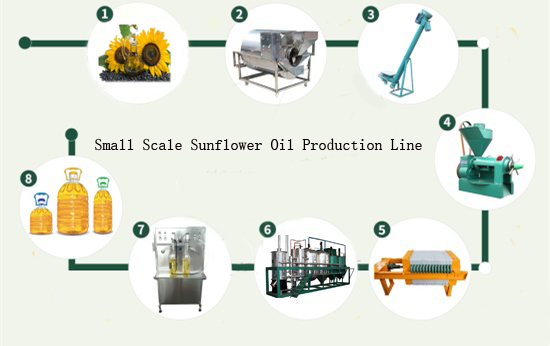
1. Bucket elevator: Used to transport the raw materials–sunflower seeds to upstairs.
2. Magnetic separator, vibrating screen and gravity stoner: Used to cleaning the raw materials–sunflower seeds.
3. Screw conveyor: Used to transport the raw materials–sunflower seeds to the next machine in the parallel lines.
4. Crusher: Used to make sunflower seeds becomes more smaller, which can extract sunflower oil more easily.
5. Drum cooker: Used to cook sunflower seeds that are crushed before, and adjust the temperature and humidity of sunflower seeds.
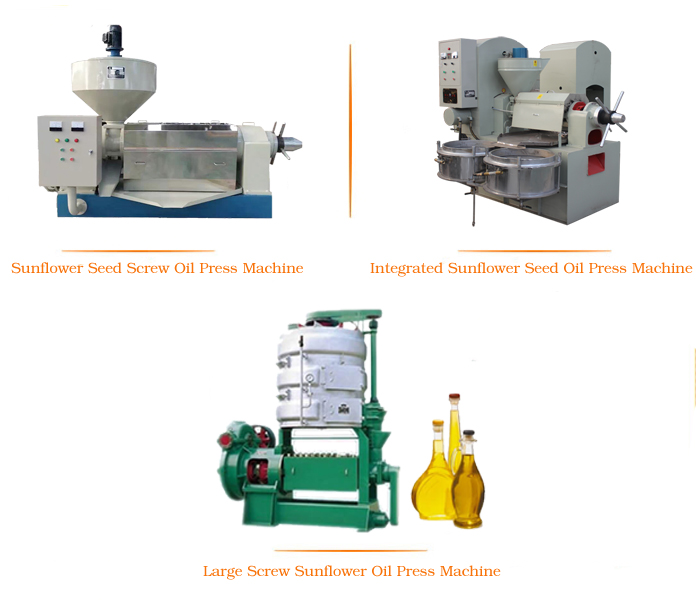
6. Screw sunflower oil press machine: Used to extract sunflower oil from sunflower seeds.
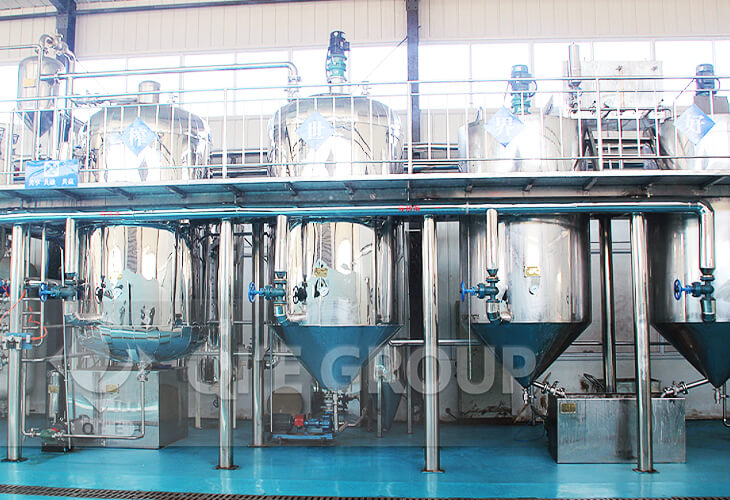
7. Oil clarification tank: Used to make the impurities in crude sunflower oil sink down.
8. Plate filter: Used to filter the ceude sunflower oil.
9. Crude oil tank: Used to store the crude sunflower oil provisionally.
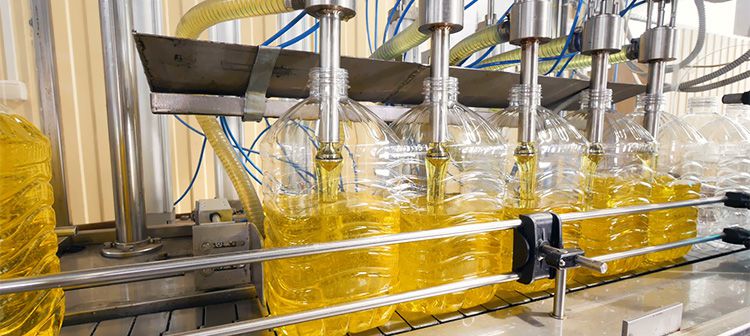
Sunflower oil is valued globally for its light color, bland flavor, high smoke point, and health benefits, including a high vitamin E content and heart-healthy unsaturated fats. The oil is primarily used in:
Q: What capacity does 20 TPD refer to?
A: 20 TPD refers to a processing capacity of 20 tons of raw sunflower seeds per 24-hour day. This is generally considered a small-to-medium scale plant.
Q: How much space is needed for a 20 TPD plant?
A: A small-scale oil mill plant typically requires approximately 750m² to 1250m², but the exact space needed depends heavily on the specific equipment configuration and plant layout.
Q: Can the equipment process other seeds?
A: Yes, with minor adjustments or different press settings, the same production line can often process various other oilseeds like peanuts, soybeans, canola, or copra/coconut.
Q: What are the main products and byproducts?
A: The main product is crude or refined sunflower oil. Byproducts include sunflower meal (a high-protein animal feed) and hulls (which can be used as fuel or fertilizer).
Q: Is dehulling/shelling the seeds necessary?
A: For a small scale plant (<20 TPD), the seeds can sometimes be pressed with the shell on, which is common in small workshops. However, for industrial scale plants >20 TPD, dehulling is generally necessary as it improves oil yield, reduces wax content, and enhances the quality of the final meal byproduct.
Q: What is the oil yield/residual oil rate?
A: Using mechanical pressing equipment alone (expellers), the residual oil rate in the cake is typically around 6-7%. If solvent extraction (a larger scale process) is added to the system, the residual oil rate can be reduced to less than 1%.
Q: Is dewaxing necessary for sunflower oil?
A: Yes, dewaxing is a crucial step in the refining process for sunflower oil. It removes waxes that cause the oil to become cloudy at low temperatures, ensuring the final product remains clear and meets market standards.
Whether you contact us by phone, email, or leave a message online, we will provide you with comprehensive and high-quality services.
Phone: 0086-13949113983
WhatsApp:
Email: qiea@oilpresses.org
Address: No.352 Lianhua Street, Hightech Industrial Development Zone, , Zhengzhou City,Henan Province, China
